


Medical Imaging

Gray Matter Volume in Brain Region Can Predict Risk Tolerance
Using whole-brain analysis, scientists discovered that the gray matter volume of a region in the right posterior parietal cortex of the brain was significantly predictive of individual risk attitudes. Men and women with higher grey matter volume in this region exhibited less risk aversion. The findings may clarify why risk tolerance decreases with age. More...09 Oct 2014

PET-CT Used for Lung Cancer Diagnosis May Be Less Effective in Areas Where Infectious Lung Disease Is More Common
An analysis of data gleaned from 70 studies revealed that use of the diagnostic imaging modality fluorodeoxyglucose F18-positron emission tomography combined with CT may not effectively differentiate benign disease from lung cancer in patients with endemic infectious lung disease compared with nonendemic regions, according to recent research. More...08 Oct 2014

fMRI Neuro Scans Reveal Gray Matter Disparities in Media Devices Multitaskers
By simultaneously using laptops, cell phones, and other media devices, people could be changing their brain structure. A study reveals that individuals who frequently use several media devices used concurrently have lower gray-matter density in one specific region of the brain compared to those who use just one device occasionally. More...07 Oct 2014
Oncologists Recommend Less Radiation for Elderly Women with Early Breast Cancer
In a healthcare environment where the costs of patient treatment are increasingly considered against possible benefit, a new study has found that US radiation oncologists are using fewer or less-aggressive radiation procedures on older women with early-stage breast cancer. More...07 Oct 2014


Platinum Member

STI Test
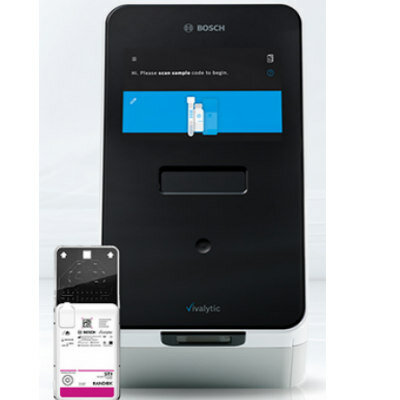
Vivalytic Sexually Transmitted Infection (STI) Array
Gold Member

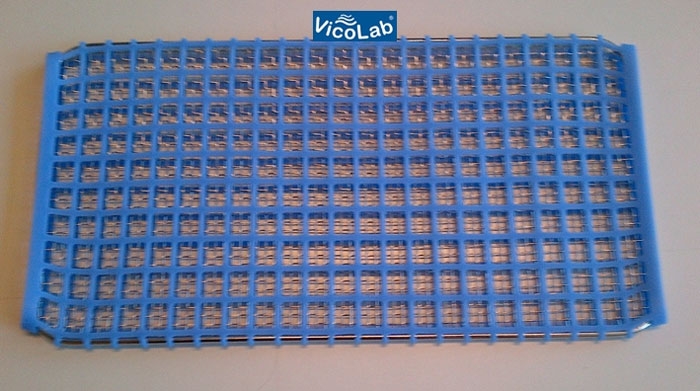
NEW PRODUCT : SILICONE WASHING MACHINE TRAY COVER WITH VICOLAB SILICONE NET VICOLAB®
REGISTRED 682.9
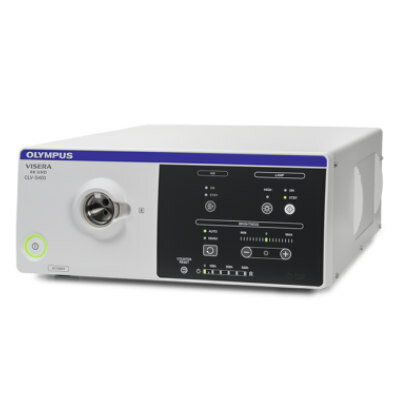

Xenon Light Source
CLV-S400


Blood Bank Refrigerator
MBR-705GR-PE
In Other News
MRI Measures Knee Geometry and Its Role in Severe Knee Injuries
Whole Body, Micro-CT Scan Techniques Identify Probable Cause of English King’s Death

MRI Technology Designed for Diagnosing Painful Back Disorder
CT Scans Are No More Effective Than Ultrasound Detecting Kidney Stones
fMRI Identifies Asymptomatic Individuals at Risk for Stroke
Neuroscientists Differentiate Patients in Ongoing Vegetative State
New Imaging Technology Shows Little Discrepancy Between Breast Cancer, Healthy Tissues
Software Provides Enhanced Imaging Sharing Capabilities and Connection Consistency in the Case of Network Failure
World’s First Wearable Prostate Coil Facilitates Simple and Accurate Positioning
Program Devised to Supply Radiology Departments with Advanced Digital Radiography Systems
Dedicated Diffusion Tensor Imaging Helps Predict Effects of Mild Traumatic Brain Injury
MRI Helps to Identify and Quantify Fat in the Liver
PET-CT Imaging Forecasts Survival of Lymphoma Better Than Standard Imaging Strategies
Ultrasound Scanner Offers Enhanced View of Fetus
fMRI Shows Neural Compensation Found in Individuals with Alzheimer’s-Related Protein
Macromolecular Proton Fraction Mapping and MRI Reveal That Loss of Myelin Denotes Severity of Multiple Sclerosis
First All Pencil-Beam Proton Center in the United States Designed to Treat Wide Range of Tumors
Ultrasound System Designed for Ob/Gyn Applications
MRI and PET Used with Solid Tumor Response Evaluation Criteria to Track Treatment in Bone Metastases
New Data Shows Most Patients Can Safely Undergo Contrast-Enhanced CT Scanning
Scatter Correction Algorithm Enhances Digital Radiography DR Exams with a Grid
Breast Screening for Women over 70 Does Not Result in Sharp Drop in Advanced Disease
Global Partnership Provides Treatment Planning Support for Modulated Arc Radiotherapy


The Medical Imaging channel of HospiMedica deals with Radiography, MRI, Ultrasound, Nuclear Medicine, and similar items.