


Medical Imaging

Ultrasound and Self-Healing Hydrogels Noninvasively Deliver Targeted Chemotherapy
Modern drug-delivery systems used to administer chemotherapy to cancer patients typically release a constant dose of the drug over time. But a new study challenges this gradual approach and offers a unique way to locally deliver the drugs “on demand.” More...08 Jul 2014
Hosting and Distribution Collaboration Established to Provide Radiation Dose Monitoring
PHS Technologies Group, a unit of PACSHealth and a developer of software that monitors patient exposure to ionizing radiation, reported that Dell Healthcare and Life Sciences will become a marketing, distribution, and hosting partner for its DoseMonitor OnLine software. More...08 Jul 2014

Proton Therapy Provides Safe, Long-Term Treatment for Hodgkin Lymphoma
In spite of various successes in treating patients with Hodgkin lymphoma, many patients suffer from the late effects of radiation therapy and chemotherapy treatment, including the possible onset of breast cancer or heart disease. More...07 Jul 2014
Risk Profiling Used with Mammography Diagnosis Should Reduce Number of Missed Tumors
A new approach to reading mammograms that takes into account a woman’s health risk profile would reduce the number of tumors missed, and in addition, decrease the number of false-positive findings, according to recent research. More...07 Jul 2014
Alliance Established to Provide Cloud-Based Healthcare Information Technology Platform
A strategic alliance has been established to offer an open, cloud-based healthcare platform. The new technology will enable medical device and data interoperability—the collection of data and subsequent analysis to enhance clinical decision making by professionals and enabling patients to take a more active role in managing their health. More...07 Jul 2014


Molecular Imaging Provides Insights into Rheumatoid Arthritis
A recent study utilized positron emission tomography and single photon emission tomography systems and their respective imaging agents to help identify the cause of inflammation involved in the ongoing pathology of osteoarthritis. More...02 Jul 2014

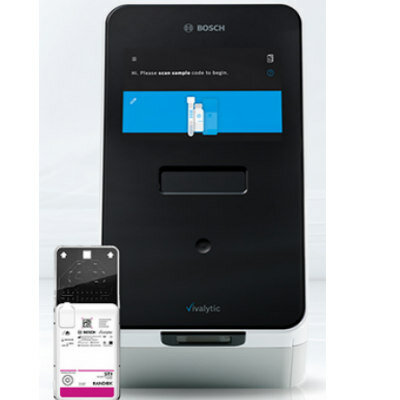
Platinum Member

STI Test
Vivalytic Sexually Transmitted Infection (STI) Array

Gold Member

Enteral Feeding Pump
SENTINELplus
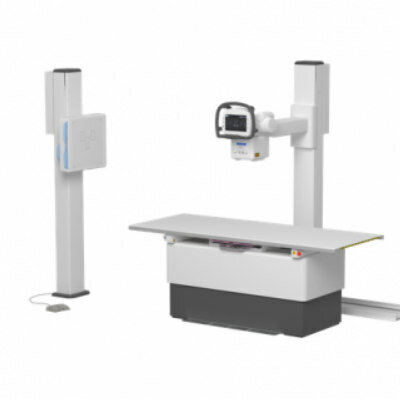

Radiology System
Riviera SPV AT
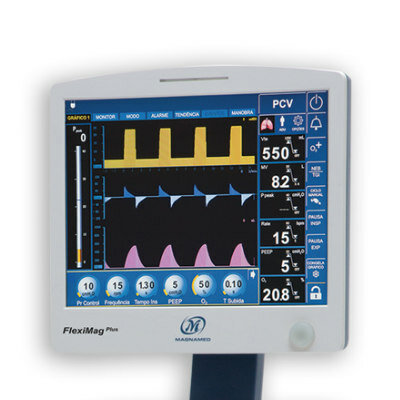

Pulmonary Ventilator
OXYMAG
In Other News
PET Imaging Used to Monitor Beta Cell Status in Type 1 Diabetes
3D Digital Breast Tomosynthesis Detects More Invasive Breast Tumors Than 2D Digital Mammography
“Nanoconstructs” Designed to Enhance MRI Technology
Enterprise Imaging and Content Management Technology Collaboration Designed to Optimize the Electronic Health Record
Image-Guided Neurology Suite Reveals Brain’s Intricate Vascular Network
SPECT/CT Plus Enzyme Found to Be Best Imaging Modality for Detecting Coronary Arterial Disease
New Tumor-Targeting Agent Images a Wide Range of Cancers

PET/CT System Enhances Disease Detection and Treatment Assessment
SPECT/CT Imaging Helps Choose Best Treatment for Low Back Pain
fMRI Brain Scans Reveal Differences in Adults Who Have Recovered from Childhood ADHD and Those Who Did Not
Lifetime Cancer Risk from Heart Imaging Low for Most Children, but Increases with More Complicated Testing
Presurgical SPECT/CT Imaging for Breast Cancer Reveals More Tumors Than Lymphoscintigraphy
Collaboration in Singapore to Develop in vivo Molecular Imaging Agent
Terahertz Detectors with Carbon Nanotubes Designed to Improve MRI Technology and Other Image-Detection Applications
MRI Brain Scans Able to Detect Early Parkinson’s Disease
PET/MR Found Best Imaging Modality for Detecting Coronary Arterial Disease
Web-Based PACS Mobile Viewer provides Access to Radiologic Images Anywhere, Anytime
Claron Technology Partners with Livecare, Canadian Telehealth Provider
Optical Coherence Tomography Used to Image Pain Management in Labor and Diabetic Retinopathy and Glaucoma
Taipei University to Install Proton Treatment Center
Mammography Screening Leads to Fewer Late-Stage Breast Tumors
Patient-Friendly PET/CT System Provides Very Large Bore, Wide Field-of-View, and Fast Imaging
Molecular Breast Imaging Strategy Reveals More Tumors


The Medical Imaging channel of HospiMedica deals with Radiography, MRI, Ultrasound, Nuclear Medicine, and similar items.